


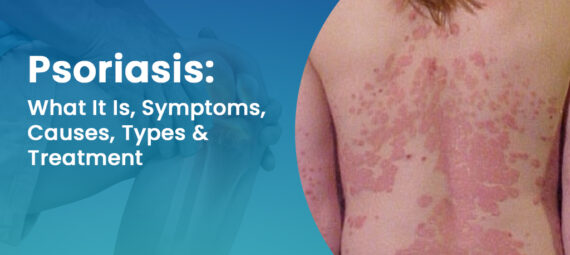
If your skin keeps getting thick, itchy patches that return in the same spots, it can get frustrating fast. Some days it feels manageable, and then suddenly the itching, scaling, or cracking starts again. If you are here to understand psoriasis symptoms, psoriasis causes, psoriasis types, and the right treatment path, you are on the right page.
Here is the simple answer: psoriasis is a long term, flare based skin condition. Most people do best when they follow a planned routine, identify triggers, and stay consistent with follow ups.
At Homeocare International, our doctors support psoriasis care with a constitutional homeopathy approach that fits alongside sensible skin care. With 60 plus clinics across South India, 300 plus experienced doctors, and a free consultation, you can start care through the best homeopathy clinic in India network, including a homeopathy hospital in Hyderabad.
Read the blog below to undePsoriasis Symptomsrstand psoriasis clearly and choose the right next step.
What Is Psoriasis And Why Does It Keep Returning?
Psoriasis is a skin condition where skin cells build up faster than normal. Because of this, you see thick patches with scaling. It often behaves like a cycle. It settles for some time, then comes back again.
Also, psoriasis is not contagious. You cannot catch it from someone.
Many people confuse psoriasis with regular dryness, dandruff, or allergy rashes. The difference is that psoriasis usually feels more stubborn and tends to return in a repeated pattern, often in the same areas.
Psoriasis Symptoms You Should Not Ignore
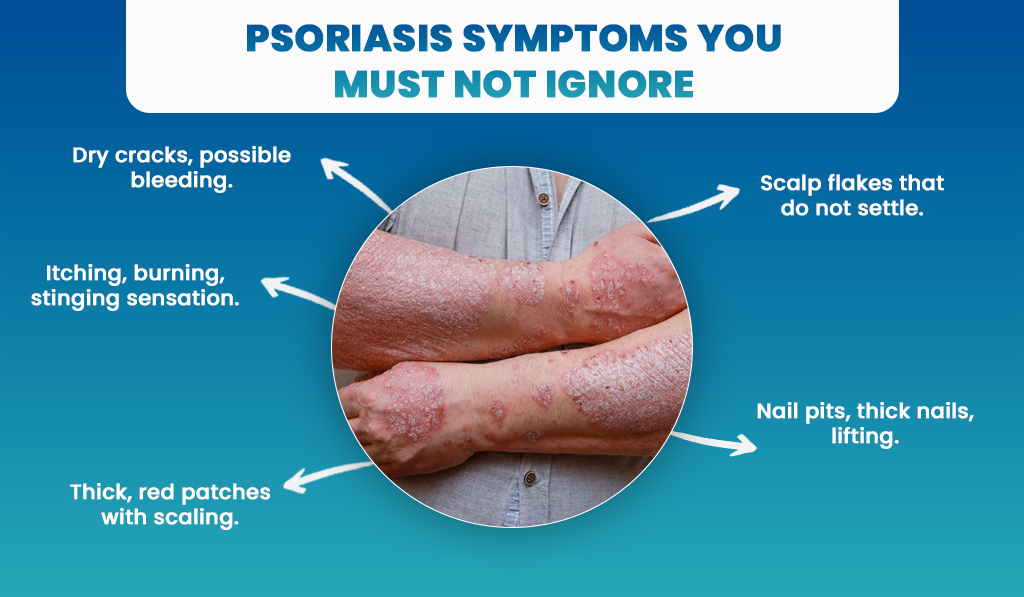
The most common psoriasis symptoms show up as visible patches and discomfort that keeps repeating.
Typical psoriasis symptoms include:
- Red, raised patches with white or silvery scaling.
- Itching, burning, or stinging over the patch.
- Dry skin that cracks and may bleed.
- Thick skin over areas that flare often.
- Soreness in bending areas like elbows and knees.
Scalp and nail related psoriasis symptoms can include:
- Heavy dandruff like flakes that do not settle with normal shampoos.
- Itchy scalp patches near the hairline.
- Nail pits, nail thickening, or nails lifting.
If you have fever, fast spreading redness, pus, severe pain, or patches that look infected, do not wait. Get medical care the same day.
Psoriasis Causes And Common Triggers
When people search for psoriasis causes, they usually want to know one thing. Why is this happening to me?
Psoriasis often links to immune system sensitivity and genetics. If it runs in the family, your risk can be higher. But even without family history, it can still happen.
Common triggers that worsen psoriasis causes and flare patterns include:
- Stress and poor sleep.
- Throat infections or repeated infections.
- Cold weather and dry air.
- Skin injury like cuts, waxing irritation, or scratching.
- Smoking and alcohol.
- Certain medicines, which your doctor can review.
This is why two people can have psoriasis but still look very different. Their triggers and skin behaviour are not the same.
Psoriasis Types And How To Recognise Them?
Different psoriasis types look different and affect different areas. Knowing your type helps your doctor choose the right plan.
Plaque Psoriasis
This is the most common type. Thick, raised patches with scaling often appear on elbows, knees, scalp, and lower back.
Guttate Psoriasis
Small drop like spots appear, often after a throat infection. It can come suddenly and spread across the body.
Inverse Psoriasis
Smooth red patches appear in skin folds like underarms, groin, or under the breast. Sweat and friction can worsen it.
Pustular Psoriasis
Pus like bumps appear with redness. If it spreads quickly or comes with fever, it needs urgent review.
Erythrodermic Psoriasis
This is rare but serious. The skin can look widely red and peeling, and the person may feel very unwell. This needs urgent medical care.
If you are unsure about psoriasis types, do not sel diagnose through images online. A proper check saves time and prevents wrong treatment.
How Doctors Confirm Psoriasis?
Doctors usually confirm psoriasis through skin examination and your history. They check the patch pattern, scaling, location, repeat flare history, and triggers.
A biopsy is not always needed. It is suggested when the case is confusing or another condition looks similar.
Correct diagnosis matters because fungal infection, eczema, allergy rash, and psoriasis do not follow the same treatment path.
Psoriasis Treatment Options
Psoriasis treatment options depend on severity, patch locations, and how often flares occur.
Topical Treatments
Medicated creams and moisturisers reduce scaling, dryness, and irritation. They work best when used consistently, not only during severe flares.
Phototherapy
This is controlled light treatment under medical guidance. It is often suggested when patches are widespread.
Oral Or Injectable Medicines
For moderate to severe psoriasis, doctors may suggest systemic medicines with monitoring.
Routine And Trigger Control
This is a big part of long term control.
- Moisturise daily.
- Avoid harsh scrubbing.
- Avoid very hot showers.
- Keep nails short to prevent skin injury.
- Track stress, infections, and weather changes.
This is also where many people start looking at homeopathy treatment for psoriasis for longer term support.
Why Homeopathy Treatment For Psoriasis Can Support Long Term Control?
Homeopathy treatment for psoriasis often suits people who want a planned, constitutional approach for flare control and long term stability.
Instead of only looking at the patch, constitutional care looks at your pattern, such as:
- Your flare timing and seasonality.
- Your stress and sleep pattern.
- Your routine and lifestyle.
- Your itch timing and dryness behaviour.
The aim is not quick promises. The aim is steadier skin, fewer flare cycles, reduced itch, and better sleep over time.
Homeopathy can work alongside sensible skin care. If dermatology is needed for diagnosis, infection control, or advanced treatments, the dermatologist remains central.
What Changes Can You Expect With Homeopathy Treatment For Psoriasis
If you follow the plan and keep reviews regular, changes usually happen step by step.
Early changes can include:
- Less itching and burning.
- Better sleep due to less scratching.
- Milder flare intensity.
Mid phase changes can include:
- Softer scaling and fewer cracks.
- Reduced redness.
- Longer gaps between flares.
Long term changes can include:
- Fewer repeat flare cycles.
- Better trigger control.
- Clear routines that prevent relapse.
Your timeline depends on severity, how long psoriasis has been present, and how consistent your routine stays.
Why Choose Homeocare International For Psoriasis Care?
If you want structured care that stays practical, Homeocare International is built for that.
What you get:
- Constitutional homeopathy plan guided by experienced doctors.
- Follow ups that track flare frequency, itch levels, and skin comfort.
- Routine guidance that fits work, travel, and family schedules.
- Access through 60 plus clinics across South India and 300 plus experienced doctors.
- A free consultation to start with clarity.
You can start care through the best homeopathy clinic in India network, including access via a homeopathy hospital in Hyderabad.
Book Your Free Psoriasis Consultation At Homeocare International Now
If psoriasis is already affecting your sleep, routine, or confidence, do not wait for the next severe flare. Early and consistent care usually reduces flare intensity over time.
Bring your past prescriptions, recent photos of flare patches, and notes on triggers like stress, infections, or weather changes.
Call 1800 102 2202 to book your free consultation at Homeocare International.
Frequently Asked Questions
Can psoriasis be cured permanently?
Psoriasis is usually long term and flare based, but many people achieve long calm phases with a structured plan and regular follow ups.
What is the quickest way to calm itching during a flare?
Moisturise regularly, keep showers lukewarm, avoid scratching, and get a doctor review if sleep is disturbed or patches look infected.
Are psoriasis symptoms the same as eczema symptoms?
They can look similar, but psoriasis patches are often thicker with more defined scaling. A doctor diagnosis helps because treatment differs.
Can I combine homeopathy with creams or phototherapy?
Yes. Many people combine approaches safely. Do not stop medical treatment suddenly without doctor advice.
When should I seek urgent care for psoriasis?
If you have fever, chills, pus, fast spreading redness, severe pain, or widespread peeling, seek urgent medical care the same day.